



6 Smart Tech Trends Shaping Agriculture in 2026
Smart technology is no longer an emerging novelty in agriculture — it is becoming a fundamental part of how farms and ag retailers plan, operate, and respond to changing conditions. To explore the technologies shaping the 2026 growing season, CropLife, the sister brand to the Global Ag Tech Initiative, recently spoke with three industry experts: Reinder Prins, Head of Marketing at Agworld; Mike Roudi, CEO of Emergent Connext; and Tim Hassinger, President and CEO of Intelinair. Their insights highlight six trends set to transform the agricultural landscape in the coming year.
1. Adoption Accelerates Where Value Is Proven
Smart tech adoption is rising, but unevenly across farm sizes and regions. Prins notes that larger, service-driven operations lead adoption, while smaller farms remain cautious. Tools that clearly improve margins — such as planning platforms, variable-rate applications, and sustainability reporting aids — are expected to see the fastest uptake. Roudi adds that adoption surges when farmers experience integrated, reliable systems, while Hassinger emphasizes that practical ease drives uptake: technology must fit into existing workflows to succeed.
2. AI and Generative AI Become Field-Ready Partners
AI has long supported agriculture behind the scenes, from yield forecasting to disease modeling. Generative AI is making this intelligence more visible and actionable, serving as a conversational agronomy assistant that translates complex data into field-specific recommendations. Prins, Roudi, and Hassinger foresee AI systems improving usability, prioritizing tasks, and automating planning for season management, variable-rate work, and label compliance, while still amplifying human expertise rather than replacing it.
3. Connectivity and Interoperability Reach a Turning Point
Reliable connectivity has historically limited smart tech adoption. Partnerships like SpaceX and John Deere, along with purpose-built rural IoT networks, are lowering this barrier. Experts agree that interoperability will grow, with farmers benefiting from open systems and integrated solutions rather than proprietary lock-ins.
MORE BY GLOBAL AG TECH INITIATIVE
Ground Breaking Podcast Episode #11: The Most Exciting Time for Ag Technology in History
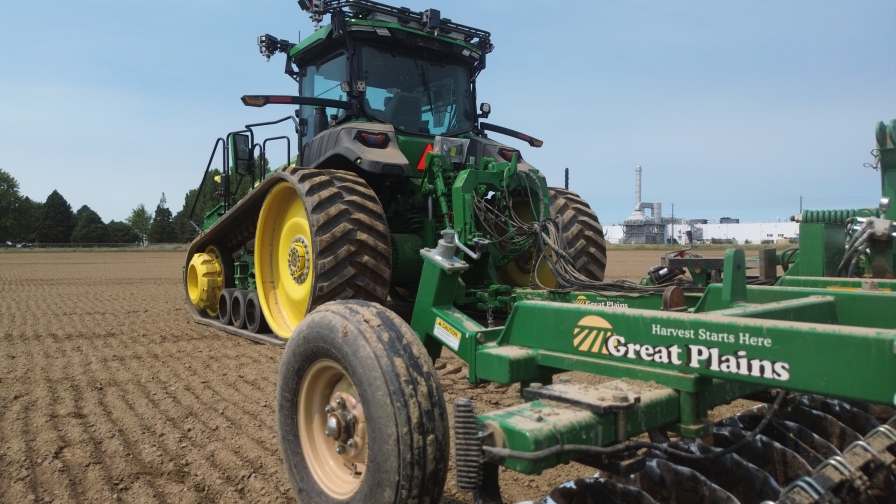
4. Automation and Robotics Grow More Accessible
Automation is improving efficiency for repeatable tasks, but human oversight remains crucial. Prins predicts hybrid “human-in-the-loop” setups, where robots handle routine work and people guide strategy. Modular, task-specific tools allow mid-sized farms to adopt automation without prohibitive costs.


5. Data Intelligence Becomes Predictive and Unified
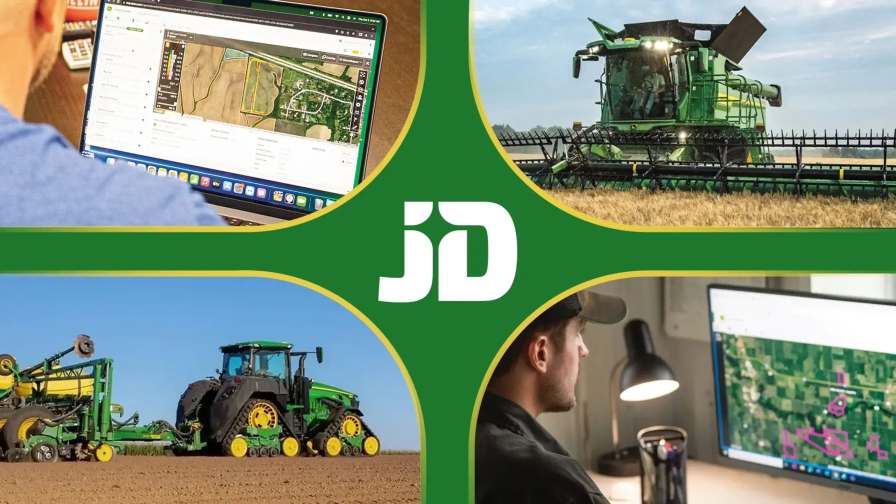
Analytics are shifting from reactive insights to proactive guidance, helping farmers forecast issues and plan actions before they arise. Unified data systems increasingly combine agronomic, financial, and sustainability information, simplifying decision-making and supporting labor, equipment, and input management.
6. Retailers Evolve Into Trusted Data Partners
As technology becomes central to operations, ag retailers are expanding beyond input suppliers into digital advisors. By combining agronomy, logistics, and compliance, retailers can deliver more transparent, actionable insights while maintaining the local trust that underpins their relationships.
Looking ahead, Prins, Roudi, and Hassinger agree that the most transformative technologies in 2026 will unify people, data, and systems into connected, actionable workflows. The next wave of smart agriculture will be defined not by individual tools but by how seamlessly everything works together.
For a deeper dive into these six trends and practical examples from the field, read the full story on CropLife, a sister brand to the Global Ag Tech Initiative.
Subscribe Today For