



From Boom to AI: Charting 25 Years of the AgTech Revolution
 Editor’s Note: As we mark the first 25 years of the 21st century, CropLife, sister brand to the Global Ag Tech Initiative, reflects on the innovations, challenges, and transformations that have shaped ag retail — honoring our past while looking ahead to agriculture’s promising future. In this article, we explore how rapidly evolving technology and shifting market dynamics are redefining farming, empowering growers, and setting the stage for Agriculture 4.0.
“Any sufficiently advanced technology is indistinguishable from magic.” — Arthur C. Clarke
Apply that quote to just about any era of agriculture and the farmers would be astonished and amazed by today’s “magic.” Just months ago, the initials AI would stand for active ingredient; today those two letters imply artificial intelligence.
Imagine a 19th century grower arriving on a 21st century farm. Gone are the horse-drawn plows and the majority of laborers. Instead, they’d see huge and automated machinery, detailed data, sensors, genetically modified crops, and a variety of other things that he could easily be convinced are magic.
MORE BY CROPLIFE
Beyond Disruption: Earning Trust and Driving Impact in AgTech Through Grower-Led Innovation
“The transition from technology being a ‘nice to have’ to ‘a must have’ over the past 20 to 25 years has been one of the most significant changes in equipment,” says Alex Caldwell, Case IH Product Marketing Manager — Crop Application. “It’s given operators the ability to leverage data to make better decisions across application, yield management as well as in cab experiences.”
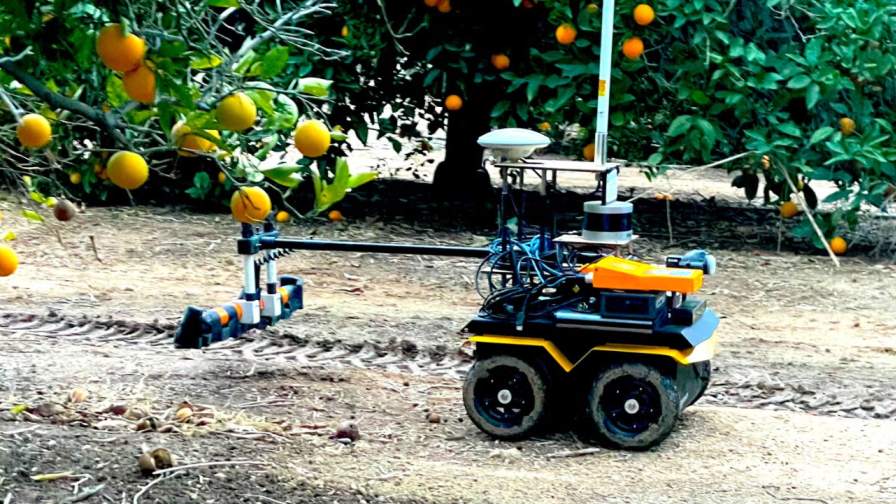




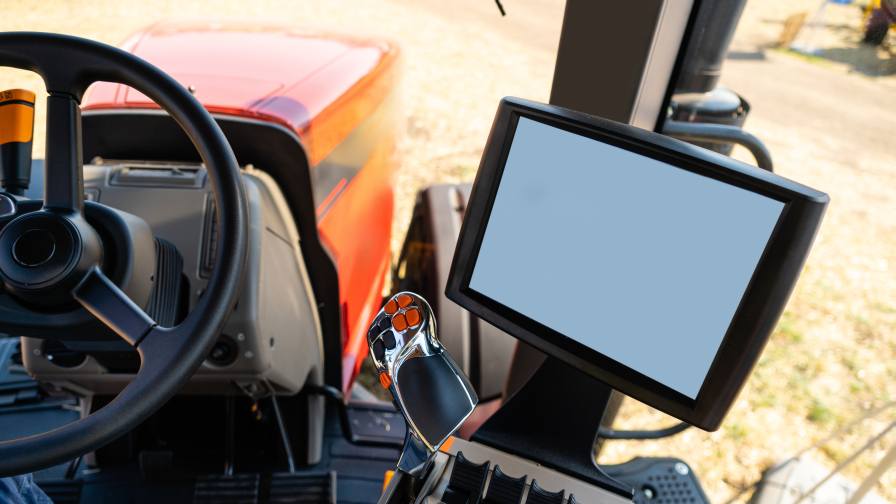
One of the biggest changes for applicators over the past 25 years is how they leverage data to make better decisions across application, yield management, as well as in cab experiences. Photo: scharfsinn86 / stock.adobe.com
Farming has changed so quickly, one needs only go back a couple of decades for growers to see recent advances that seem like magic.
“Retailers are now expected to de-risk innovation. It’s not enough to say, ‘trust me.’ You need the data,” says Matt Hansen, CEO of Growers Edge. “The biggest change is the role of technology and how retailers use it to manage risk on behalf of their grower customers. Risk isn’t only managed by instinct. It’s something you can measure, protect against, and act on in real time. Retailers used to sell products. Now, they sell proof. Farmers have heard the same claims for decades. Now, retailers have the data and the ability to guarantee better performance. They can distill the complicated into the simple.”
With the regulatory environment limiting the crop inputs available the industry has had to look for new solutions. Those include spot spraying (i.e., John Deere’s See & Spray), unmanned aerial vehicles, more advanced chemicals, genetically modified crops, and laser weeders among others.
Now that we’re 25 years into the 21st century, the CropLife Media Group decided to look at how quickly equipment has changed. Many of the new technologies, which were once extras, are now simply table stakes. Just before the turn of the 21st century, Trimble introduced an autopilot steering system.
Read more at CropLife.
Subscribe Today For