



From Mato Grosso to Las Vegas: What CES Revealed About the Future of Agriculture

I come from Lucas do Rio Verde, Mato Grosso — the heart of Brazilian agriculture, where soybeans and corn dictate the rhythm of the economy, the seasons, and even conversations in the bread line. Still, I confess: nothing prepared me for the impact of stepping into CES 2026 in Las Vegas for the first time.
A reality check (in a good way)

Mauricio Netto at the 2026 CES in Las Vegas.
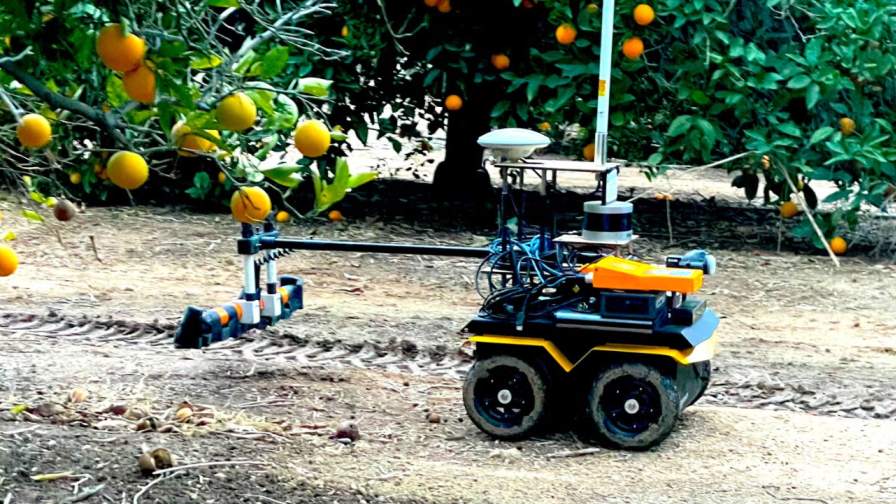
CES is like entering a global farm of the future — only inside a climate-controlled warehouse, with neon lights and Wi-Fi that actually works. Drones, robots, sensors, AI embedded in everything, autonomous machines moving as if human operators were optional, and startups discussing problems we already face in the field today, but with solutions that feel like they’re coming from 2030.
And when the conversation turns to agriculture?
It was incredible to see how major global players are beginning to view agriculture as an inevitable frontier of innovation. Some talk about autonomous logistics; others focus on embedded computing, computer vision applied to operations, decentralized energy, connectivity in remote areas, and even chips optimized for decision-making in extreme environments.
MORE BY MAURICIO NICOCELLI NETTO
The Path to Sustainability Financing in Brazilian Soybeans, Corn and Cotton
How a Digital Platform Is Creating Transparency with Brazilian Harvest Data and Bringing Security to Investors
Brazilian Agtech Startup Brings Aerial Application Management Platform to North American Market


The connection that made sense to me
While many visitors were fascinated by home assistants and augmented-reality glasses, I found myself drawn to the aisles where automation, applied AI, robotics, and mobility solutions intersected with:
- autonomous operations (very familiar to anyone dealing with labor shortages),
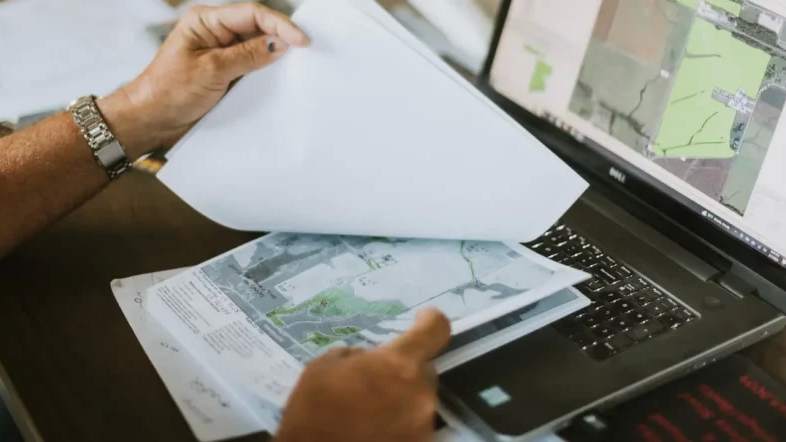
- intelligent environmental mapping (just like our agricultural regions),
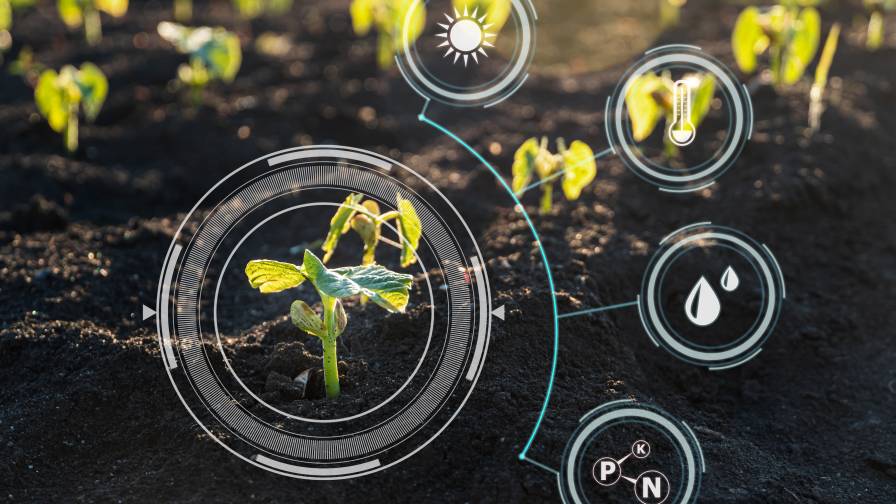
- real-time decision-making (the core of digital agriculture), and
- hardware + software integration (exactly what agriculture ecosystems require).
What did I really learn?
- Agriculture is not lagging behind. It’s poorly documented.
- The agriculture I know is more technological than many imagine — we just don’t use the same stages to show it.
- Innovation without application is entertainment. In agriculture, it’s survival.
- In the field, technology isn’t hype. It’s productivity, efficiency, sustainability, and margin.
- The future will be built by ecosystems, not isolated tools. Whoever masters integration, data, and automation at scale, masters the game.
- Digital agriculture is the largest open-air laboratory on the planet.
And we need to bring more people from technology to experience this with us.
I didn’t go to CES to see the future of technology. I went to understand the future of agriculture through technology. And I left with even greater certainty than when I departed Brazil:
Agriculture is the next great frontier of global innovation. And Brazil has everything it takes to lead this story — as long as it shows up on the right stages, speaks the right language, presents the real challenges, and connects global solutions to the realities of the field.
Subscribe Today For