



Preparing for the Third Phase of Smart Tech
For those that follow smart tech, the annual Tech Hub LIVE event in mid-July can be a Mecca-like pilgrimage for the agricultural community, writes Editor Eric Sfiligoj at CropLife. Besides offering up the latest and brightest new ag technology innovations in one place, there are numerous educational and idea exchange sessions devoted to the topic of Smart Tech in all its glory.
To dive even deeper into this area of discussion, Tech Hub LIVE organizers and CropLife® magazine hosted a pre-show gathering during the 2025 show. Called the Executive Forum, this invite-only event looked specifically at the topic of how ag retailers can — and should — be preparing for the myriad changes to their long-standing business models that the implementation of new ag technology might affect.
According to Paul Bonnett, Senior Director of Agronomy at Nutrien Ag Solutions, agriculture is now entering the third phase of technology development. The first happened back in the late 1990s/early 2000s as hardware systems such as yield monitors and Landsat satellites became more common across the industry. The second phase happened during the 2010s, as many new ag tech companies were founded and machine learning/e-communication became more widespread.
“Today, we are entering the third phase — awakening/enablement,” said Bonnett. “There is a rapid acceleration of machine-enabled agronomy with autonomy, artificial intelligence (AI), and drones integrating into the value chain pulled through by sustainability targets.”
MORE BY CROPLIFE
Beyond Disruption: Earning Trust and Driving Impact in AgTech Through Grower-Led Innovation
Smart Sprayers: How Advanced Tech Is Transforming Application Efficiency and Precision
However, according to Dave Swain, President/CEO at Vision Technology Management, the adoption of ag technology has been lagging in recent years.


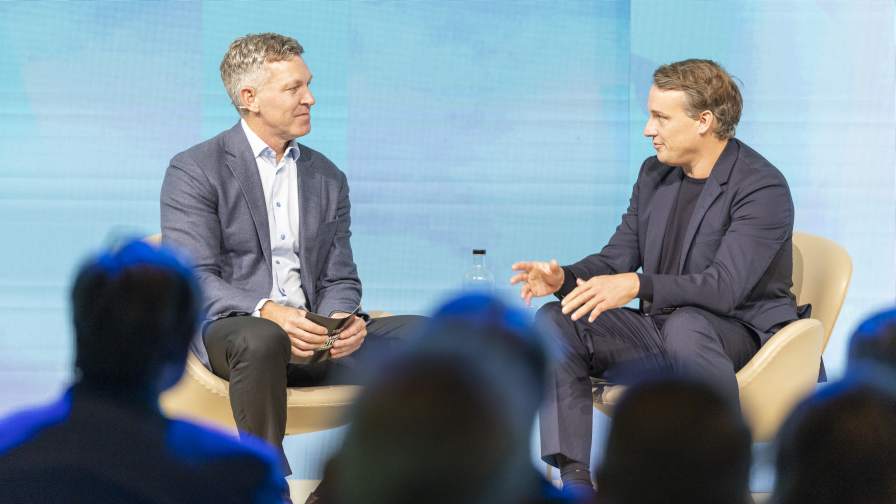

“On-farm finances have been under pressure lately, so some of the early efforts with new technologies have been slow to development,” said Swain. “In this kind of economic environment, it’s also been easiest for agriculture to go back to what its always done in terms of production, before using the technology.”
One of the possible solutions to this challenge, he added, is proving to customers that the data being gathered can now be better integrated with newer Smart Tech systems to provide solid field recommendations.
“The value of the data is on operations and how we can apply it better on the farm,” said Swain.
Jeff Blair, President/CEO at GreenPoint Ag, Decatur, AL, echoed this sentiment. “As an ag retailer, we have often wrestled with our grower-customers about how we can transition them to technology,” said Blair. He added that making sure that the data being used in these new Smart Tech tools is sound as key to getting these systems to operate as advertised.
Read more at CropLife.
Subscribe Today For