



Why 2026 Must Be Agriculture’s Physical AI Tipping Point
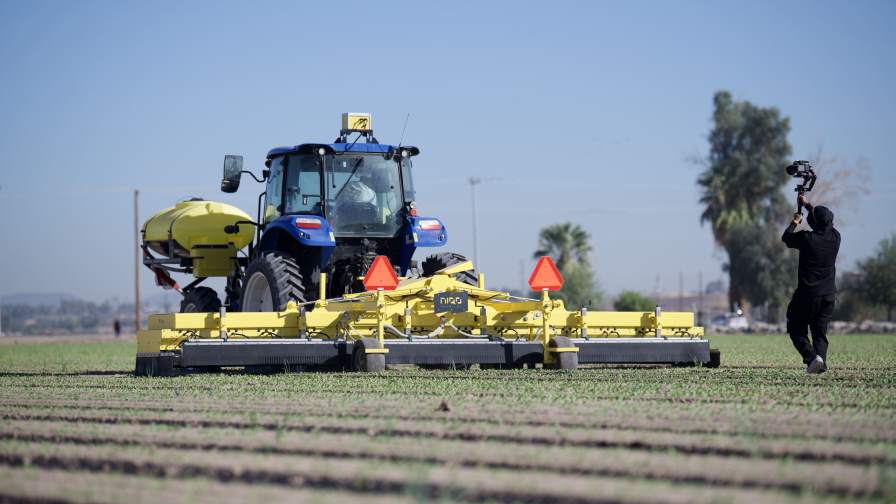
For decades, CES was about bigger TVs and thinner phones. Now, the most consequential “consumer electronics” on the floor are tractors and implements running physical AI — intelligence that doesn’t just live in the cloud but rides on steel, rubber, and hydraulics to get real work done. In 2025, physical AI in agriculture proved it could work; 2026 is the year we run out of excuses not to deploy it at scale, writes CEO Agtonomy CEO Tim Bucher at CropLife.com.
While prototypes are celebrated under the Vegas lights, the farmers who need them most are too often stuck waiting in line back home. At the same time, more than 280 million people face acute food insecurity in nearly 60 countries. Physical AI on farms isn’t a cool demo — it’s part of whether agriculture can keep up with demand as skilled labor shrinks and climate volatility rises.
As 2026 begins, the question is no longer whether autonomy works in agriculture, but whether leaders — OEMs, ag retailers, input companies and agtech startups — will scale it responsibly and fast enough. This should be remembered as the moment agtech stopped “experimenting” with physical AI and started treating it as core food infrastructure.
To keep pace, agtech leaders should:
MORE BY CROPLIFE
Beyond Disruption: Earning Trust and Driving Impact in AgTech Through Grower-Led Innovation
Smart Sprayers: How Advanced Tech Is Transforming Application Efficiency and Precision
- Frame physical AI as critical food infrastructure; measure progress in production acres autonomously managed, not prototype counts.
- Build deep partnerships with OEMs and growers so solutions are robust, financeable, and serviceable.
- Design for real jobs first — the repetitive, labor-intensive tasks that crush budgets and morale — then expand into more delicate operations.
- Invest in people, creating clear pathways for agtech operators and new rural tech careers so autonomy becomes a magnet for younger talent — that is so desperately needed in ag — and not a threat.
Physical AI: Critical Infrastructure for Future Food Production
Most people know AI from the generative side — systems that write emails, answer questions, or create images. Physical AI puts that intelligence to work in advanced equipment deployed in the real world — in fields, orchards, and vineyards — where conditions change by the second.

To learn more, read the full article by Tim Bucher at Global Ag Tech Initiative’s sister brand, CropLife.
Subscribe Today For