



Ag Tech Talk Podcast: EarthDaily on Satellite Data, Crop Monitoring, and Market Transparency
In this episode of Ag Tech Talk, we sit down with Andrew Pylypchuk, Global Director of Business Development, Agriculture, at EarthDaily, to explore how next-generation satellite data is reshaping agriculture from the ground up. From sharper, more consistent insights to real-world decision-making at scale, Pylypchuk breaks down what better data means for growers, retailers, and the future of ag — and why the gap between information and action is finally closing.


Podcast Transcript:
*This is an edited and partial transcript.
MORE BY AGRIBUSINESS GLOBAL
Ag Tech Talk Podcast: Smart Seeding and the Future of AI on the Farm
Robots, Drones, and Digital Tools: The Next Generation of Crop Protection
AgriBusiness Global: If we move toward daily global monitoring of cropland, what does that do to market transparency and competitive advantage across the value chain?
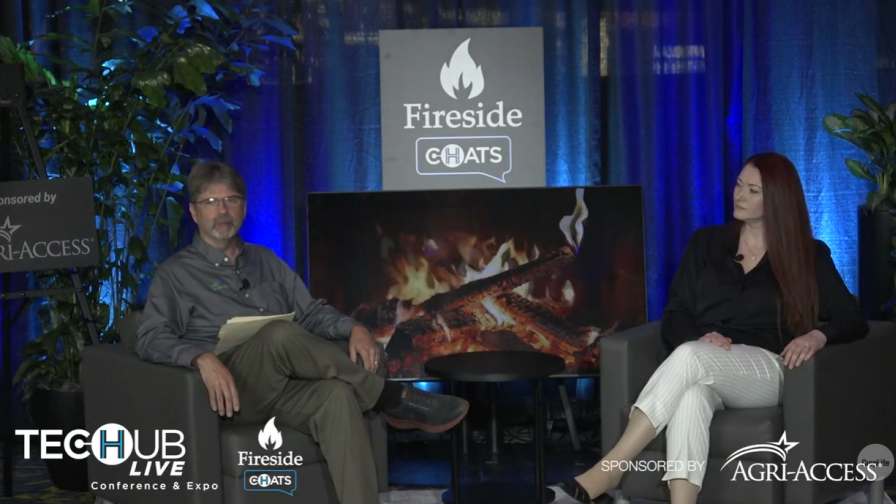
Andrew Pylypchuk: It really comes down to delivering better information at the right time. Increased transparency is a big part of that — more consistent, timely data flowing across the system But when it comes to competitive advantage, it’s less about access to data and more about how companies innovate around it. That could mean new products like parametric insurance or outcome-based solutions, all shaped by how those insights are commercialized.
ABG: Does that level of visibility even the playing field or widen the gap between those who can act on the data and those who can’t?
AP: It’s a bit of both. As institutions integrate this kind of data into their offerings, it will become more widely available and increase transparency overall. At the same time, because it’s a commercial product, there will always be differences in who adopts it and how effectively they use it. So, you’ll see both broader access and continued differentiation.
ABG: Looking ahead three to five years, what will agriculture be able to see, measure, or predict that it can’t today — and how disruptive will that be?
AP: We’ll get much better at understanding crop health and the pressures affecting growing conditions in near real time. That opens the door to more targeted risk mitigation and more precise crop protection decisions.
In terms of disruption, it may be more evolutionary than dramatic in that timeframe. We could see gradual shifts in growing patterns — for example, corn slowly moving further north into Canada — but core production regions will remain stable. At the same time, advances in genetics and other technologies will help maintain productivity where it already exists.
Overall, the big shift is that technology will continue to improve how we manage risk — whether that’s weather, supply chain, or environmental challenges — and ultimately help growers produce more with greater confidence.
Subscribe Today For