



Grant to Increase Agriculture Data Sharing Among Farmers, Partners
United States farmers and ranchers often struggle to access the data they need to justify and implement science-driven practices that enhance the productivity and health of their land. To support broader access to this data, the Foundation for Food & Agriculture Research, Patrick J. McGovern Foundation, Tech Matters and the Skoll Foundation are providing a $1,503,964 grant to Tech Matter’ Better Deal for Data project that enables data sharing across a variety of stakeholders for greater impact and research.
Consensus is currently lacking on how farmers in the U.S. can use and share their data securely to make scientifically backed decisions about growing affordable, nutritious food and land stewardship. As a result, crucial data are often inaccessible, preventing farmers from overcoming common problems. The Better Deal for Data project, led by Tech Matters Founder and CEO Jim Fruchterman, seeks to research and design farmer data management tools to ensure wider access to knowledge that can increase productivity and profit for farmers and ranchers.
“Farmers and agricultural researchers often face a gap that disconnects knowledge from practical use,” said Dr. LaKisha Odom, FFAR scientific program director. “This research is building the infrastructure and guidance that will serve as a bridge, allowing partners to work together for the benefit of our agriculture and food systems.”
The Better Deal for Data project is developing a set of principles for data use and protection to help farmers, nonprofit and for-profit organizations, co-ops, government agencies and research institutions use and share data in effective and secure ways. The project is researching existing standards and principles for data collection, management and sharing to develop essential requirements for data stewardship and legal agreements.
MORE BY FFAR
Agrivoltaics: Pairing Regenerative Farming and Solar Energy Production to Improve Urban Resilience
Consulting with key stakeholders in agriculture and beyond, Tech Matters is reviewing software technology to identify the best existing tools for farm data collection, analysis, decision support and authorization for use. Finally, Tech Matters and partners are selecting test case scenarios to help develop software and guidelines.
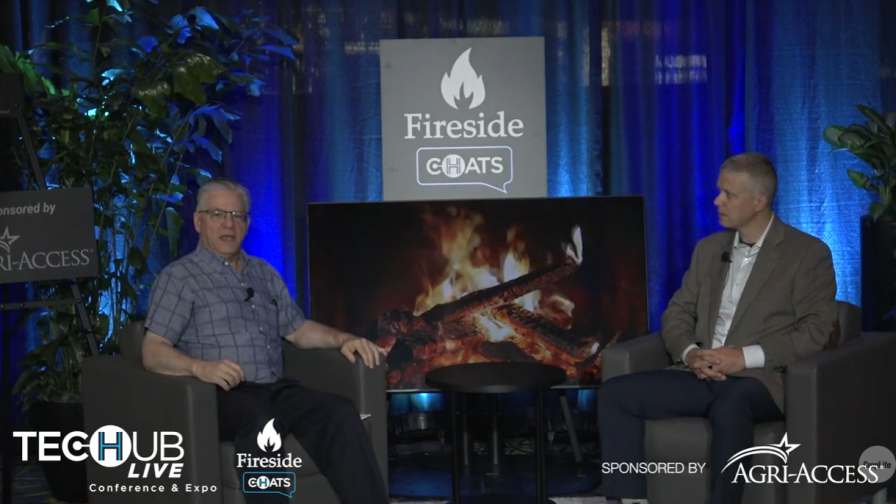
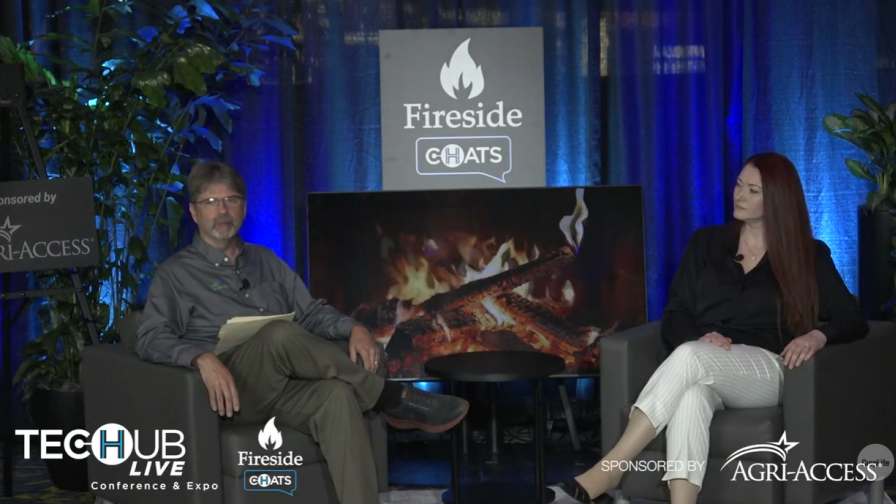
“We see a strong need to increase trust in ethical data collection and use both in agriculture and in society more broadly,” said Fruchterman. “Through a simple set of easily understandable commitments focusing the benefits of data primarily on the individual, their community and the public, we believe we can offer a trustworthy alternative to more one-sided approaches to data collection.”
Subscribe Today For